
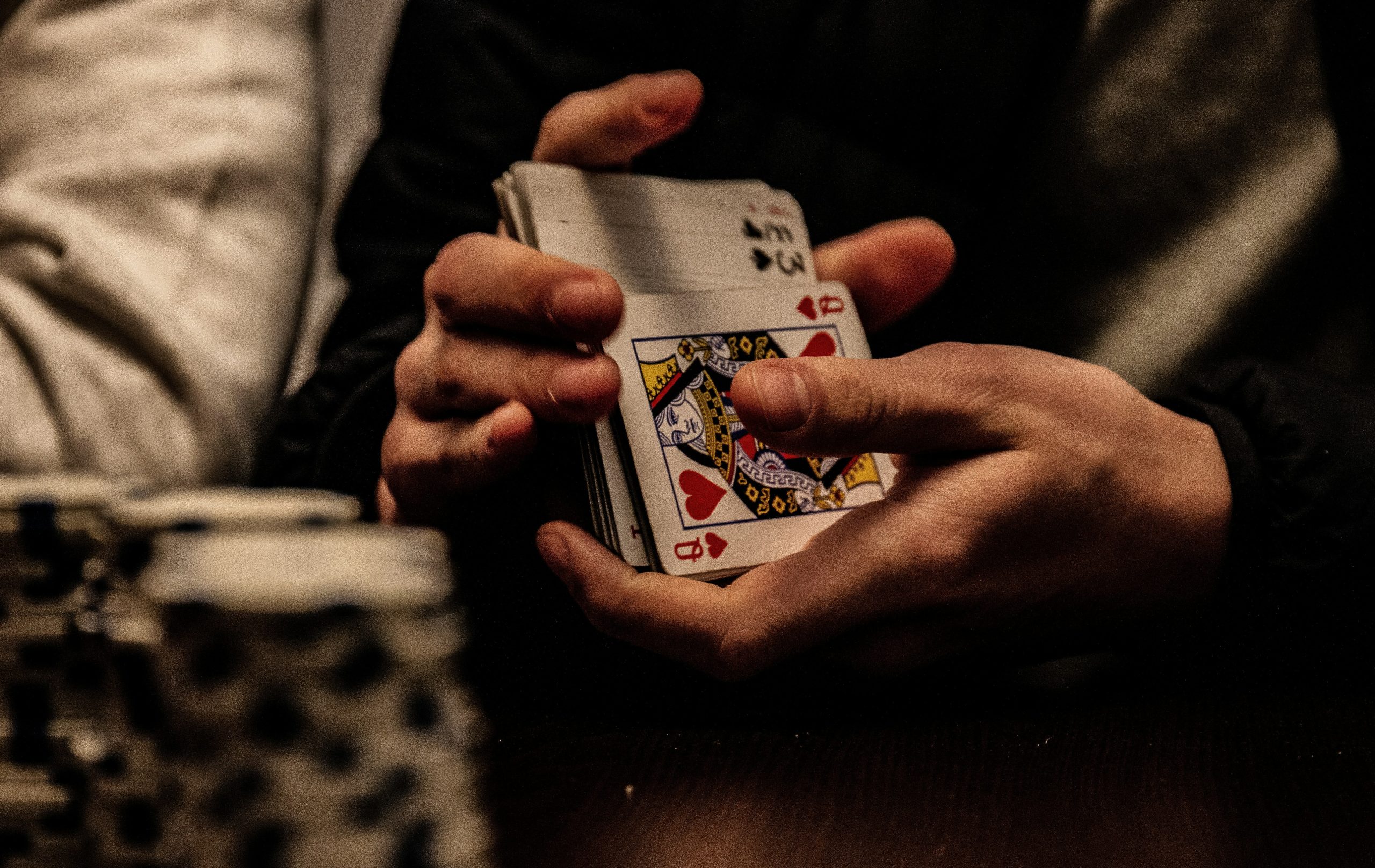
Poker players and competitive gamers actually have way more in common than you’d expect. I’ve been watching the gaming scene evolve for years, and it’s wild how the skills that make US poker pros successful translate almost perfectly to gaming.
Think about it. Both require split-second decisions under pressure. Both involve reading opponents and adapting on the fly. The difference? Poker pros have been perfecting these mental skills for decades, while many gamers are still figuring it out.
After studying how top US poker players approach their game, I’ve identified five core skills that can seriously level up any gamer’s performance. Let’s dive in.
Strategic Thinking (It’s Not Just About the Next Move)
Most gamers think one or two moves ahead. Poker pros are already planning their endgame while you’re still deciding what to do next.
Take Daniel Negreanu — the guy doesn’t just play his cards, he plays the entire table dynamic. He’s thinking about how Player A will react to his bet, how that’ll influence Player B, and what he’ll do three hands from now based on the information he’s gathering right now.
This translates beautifully to gaming. In “Age of Empires,” average players focus on their immediate build order. Great players are already planning their late-game economy while scouting for their opponent’s weaknesses. They’re not just reacting — they’re orchestrating.
The key isn’t being smart (though that helps). It’s about developing pattern recognition and thinking in systems rather than isolated moves.
Emotional Control (The Tilt is Real)
You know that feeling when you’re dominating a “League of Legends” match, then your team throws at Baron, and suddenly you’re making terrible decisions because you’re frustrated? Poker players call that “tilt,” and it’s probably destroyed more promising careers than lack of skill ever has.
US poker pros spend years learning to divorce their emotions from their decision-making. Phil Ivey can lose a $500,000 pot, and his expression won’t change. Not because he doesn’t care, but because he knows emotional decisions are losing decisions.
I’ve seen talented gamers throw away easy wins because they got cocky after a good play. Or make desperate moves after falling behind because they couldn’t handle being down. The best players I know treat each round, each engagement, each decision as completely separate from what happened before.
It’s harder than it sounds, but it’s also the fastest way to improve your win rate.
Adaptability (Your Plan Will Fail)
Every poker pro will tell you the same thing: your initial strategy is just a starting point. The real skill is knowing when to abandon it completely.
Doyle Brunson didn’t become a legend by sticking to rigid playbooks. He became great by reading the table, understanding his opponents, and adjusting his entire approach based on new information. Sometimes that meant playing ultra-aggressively against tight players. Other times, it meant folding premium hands because the situation had changed.
Gaming is the same way. You might load into “Fortnite” planning to play aggressively, but if the circle forces you into an open area with limited materials, that strategy becomes suicide. The players who consistently place high aren’t necessarily the most skilled mechanically. They’re the ones who adapt their playstyle to whatever the game throws at them.
I learned this the hard way playing “PUBG.” I spent months trying to force the same aggressive playstyle every match. My K/D looked decent, but my win rate was terrible. When I started adapting to circle position, loot availability, and lobby dynamics instead, my win rate doubled almost immediately.
Precise Decision-Making (Every Choice Matters)
Poker pros don’t make “pretty good” decisions. They make optimal decisions based on available information, every single time.
Watch someone like Vanessa Selbst play. Every bet size is calculated. Every fold is based on pot odds and opponent tendencies. There’s no “I had a feeling” or “seemed like a good idea at the time.” It’s pure mathematical precision applied to incomplete information.
This mindset is game-changing for competitive gaming. In “Counter-Strike,” the difference between good and great players isn’t aim (though that matters). It’s decision-making. Great players know exactly when to peek, when to rotate, and when to save their weapon. They’re not guessing — they’re calculating based on economy, map control, and opponent patterns.
This skill compounds. Every good decision gives you better information for the next one. Every bad decision costs you twice — once for the immediate result, and again for the worse position it puts you in.
Understanding Risk Assessment (High Risk, High Reward Isn’t Always Right)
Poker players live in a world of calculated risks. They’re constantly weighing potential gains against potential losses, factoring in probability, position, and opponent tendencies. They don’t take big risks for small rewards, and they don’t avoid small risks that could lead to big rewards.
Most gamers get this backwards. They’ll take huge risks for minimal advantage (like overextending for one extra kill), then play it safe when the situation calls for aggression.
In “Civilization,” I see players constantly making suboptimal trades, using three turns of production to save one turn of movement, or avoiding necessary wars because they’re afraid of temporary setbacks. Meanwhile, the best players are making precise calculations about when short-term pain leads to long-term advantage.
The trick is learning to think in expected value rather than best-case or worst-case scenarios. Sometimes the “risky” play is actually the safe one when you run the numbers.
Putting It All Together
I’m not saying every gamer needs to become a US poker pro. But these skills are not just poker skills. They’re competitive thinking skills.
The gaming industry is more competitive than ever. The difference between good players and great ones isn’t reflexes or game knowledge anymore. It’s a mental approach. It’s thinking like a professional instead of just playing like one.
US poker pros figured this out decades ago. They turned what looks like gambling into a skill-based profession through disciplined thinking and emotional control. Gamers who adopt the same mindset don’t just improve their win rates — they change how they approach competition entirely.