
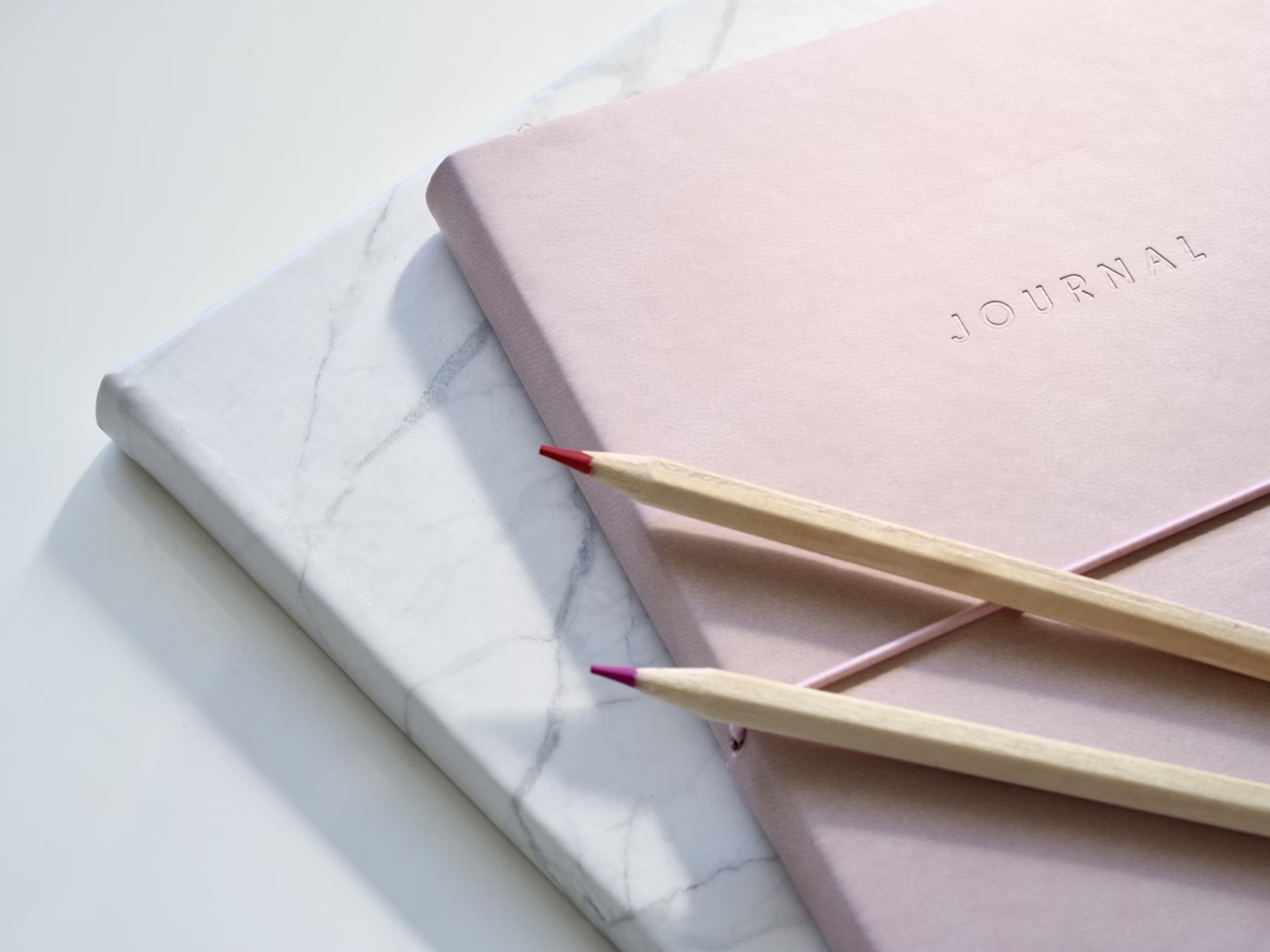
Journaling is a low-effort, but powerful tool that serves many purposes. You can reflect on your feelings, manage your stress, and even unlock your creativity this way.
If you have never tried journaling to this day, we have got you covered: there is a simple way to begin. You can either use a real pen and paper, or do it in an app—whatever feels convenient to you. And here are some journaling ideas for beginners to start with.
Free Pages
The name of this practice speaks for itself, and it really is as easy as it sounds. You just sit down and start writing down whatever pops into your mind. No need to create a beautiful and catchy entrance post. If you don’t know where to start, write this down in these very words: “This is my journal, and I don’t know how to start. I know I am supposed to write down what I feel or think, but all I feel at the moment is confusion.”
If you go on, you will see the direction of your thoughts and will be able to develop the ideas that come to your mind. No pattern, just raw thoughts.
Psychologists recommend journaling this way first thing in the morning, or when you have a little time for yourself, like during your morning coffee break. This practice releases the tension you might have in your mind and takes a lot of worries off your chest.
Gratitude journaling
This type of journaling pattern is very widespread these days, when people often feel overwhelmed and crave some positivity in the mundane. It is so easy to lose track of good things behind all the noise, so highlighting the good things is a great way to look on the bright side, quite literally.
All you have to do is write down a few things that made you feel thankful during the day. You can start with three, and then add some more when you make it a habit. At first, it might feel forced, but in just a couple of days, you will start to notice that your life is generous with pleasant moments, even the tiny ones.
If you find it hard to come up with things to be grateful for, you can use tools like Liven’s AI-assistant. What is Liven? It is a self-discovery digital companion that helps people with self-awareness and deeper self-analysis.
Or, if you feel like going old school, take a real fancy notebook to write things down manually—this way, you will have a lovely positive before-bed ritual!
How your day went
This is probably the easiest way to journal so far. It works perfectly for those who don’t have anyone by their side to share. So, you can describe what happened to you during the day and describe all your feelings and reactions.
This might begin as kind of a report at first, but as this practice goes on, you will notice how you start to go deeper into details and reflect on the patterns in your thoughts, feelings, and behavior.
Another good idea is to re-read your journal entries with the passage of time. Firstly, it keeps memories really well. And secondly, you have the chance to see more clearly how you change and grow.
Mood tracking
Not everyone is capable of recognizing and naming their emotions. What we often call just ‘good’ or ‘bad’ feelings can greatly vary in nuances. When something goes wrong, how do you react? Are you scared, disappointed, or mad? Mood tracking is a great exercise to stay aware of your emotional range. What’s more, when you finally know what exactly you feel, it gets much easier to handle these emotions, and they all have to be handled differently. For example, if you feel anger, you might need some physical relief, like a short workout. When you feel overwhelmed, there might be a need for you to take a mindful pause and do some breathing exercises.

If you work with a therapist, a mood journal can also be a good addition to your sessions. It will let the specialist notice your patterns and build a working strategy of self-help.
Dream Journaling
Do you remember your dreams? How often can you retell them?
While this might not seem like a very practical journaling practice, in fact, you can benefit from it.
Try writing down your dreams when you wake up, first thing in the morning. For this, it will be a good idea to keep your journal right beside your bed.
This way of journaling works well for training your memory, and also, which is even more valuable, helps you explore your subconscious. The things you see in your dreams might reflect your daily worries, fears, or secret wishes, so it can be an interesting way to uncover what is going on in your mind.
The letters you never send
If you feel that something is often being left unsaid, you can turn it into an honest letter full of emotions. Writing them is a way to process and let go of the feelings that have been a burden for some time. You don’t have to send them, or you can even burn them after reading to make it a complete ritual of letting go.
But putting your thoughts and resentments on paper can be a cathartic experience.
Summing up
There are a lot of ways to do journaling. You can choose the way that seems beneficial to you personally, from the simplest ones to the more complicated ones. Just try a few and see what works best for you—there are no negative outcomes for this practice whatsoever. This is a perfect tool for reflection and self-awareness, so trust yourself and the writing process!