
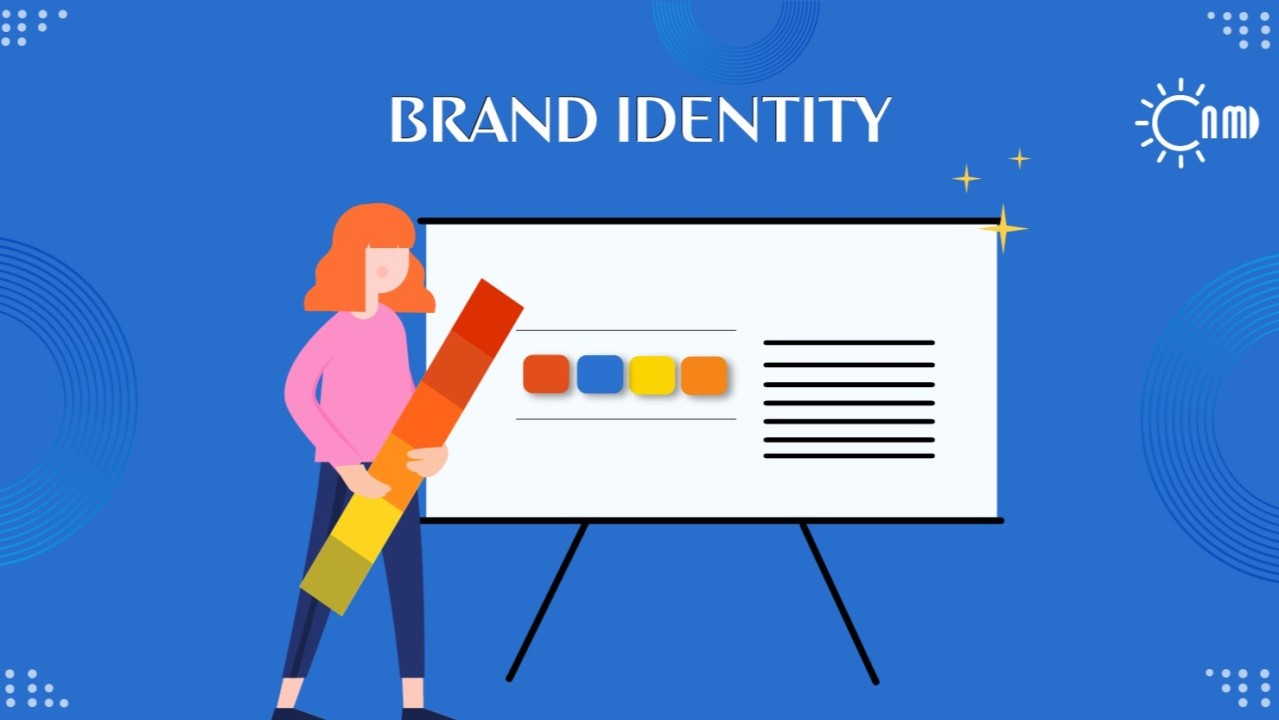
Imagine walking down a busy street lined with cafés. Each one serves coffee, each has a chalkboard menu outside, and each promises “the best latte in town.” Yet, you find yourself instinctively walking into just one of them. Why? Chances are, their brand identity caught your attention—it felt distinct, inviting, and memorable in a way the others didn’t.
That’s the power of a strong identity. In a competitive market where customers are bombarded with choices every second, your brand isn’t just about what you sell—it’s about how you’re remembered. And identity design is at the heart of that.
The good news? You don’t need a massive budget or a design degree to build an identity that stands out. What you do need is clarity, creativity, and the right tools to help bring your vision to life. Let’s break down how you can craft a brand identity that not only attracts attention but also leaves a lasting impression.
Why Identity Matters More Than Ever
Think about some of the most recognizable brands today—Nike, Apple, or Coca-Cola. Their products are great, yes, but their logos, colors, and messaging do just as much heavy lifting as their quality. You could spot the Nike swoosh or Apple’s bitten logo from across a room, and you’d immediately know what they stand for.
Now, you may not be running a billion-dollar corporation, but the principle is the same. A memorable identity makes your brand easier to recall, fosters trust, and helps customers choose you over competitors—even if your offerings are similar.
In other words, your identity isn’t decoration; it’s strategy.
Step 1: Know Who You Are Before You Design
Here’s the truth: you can’t design a powerful identity without knowing your brand’s personality. Before you start sketching logos or picking fonts, ask yourself some foundational questions:
- What values does your brand stand for?
- What makes you different from competitors?
- Who are you speaking to, and what do they care about?
- If your brand were a person, what kind of voice and style would it have?
For example, a children’s toy brand might describe itself as playful, colorful, and adventurous. A financial consulting firm, on the other hand, might aim for professional, reliable, and confident. Both are valid—but their identities will look and feel very different.
Knowing who you are ensures your identity is aligned with your mission and resonates authentically with your audience.
Step 2: Visual Elements That Stick
Once you’ve defined your brand personality, it’s time to translate it into visuals that capture attention and linger in memory.
Logo
Your logo is often the first thing people notice about your brand. Think of it as your handshake—it should feel professional, confident, and true to who you are. Simple logos tend to be the most memorable. Consider Apple’s minimalist design or McDonald’s golden arches. Neither is complicated, but both are unforgettable.
Colors
Colors aren’t just pretty—they’re psychological. Blue often conveys trust (think banks and tech companies), red sparks energy and urgency (hello, Coca-Cola), and green suggests health or sustainability. Pick a palette that reflects your brand personality and use it consistently across your touchpoints.
Typography
Fonts may seem small, but they send big signals. A bold sans serif font might scream modern and edgy, while a delicate script font conveys elegance and creativity. Choose typography that complements your message without overwhelming it.
Imagery and Graphics
Consistency is key here. Whether you’re using photography, icons, or illustrations, make sure they match your brand’s tone. If your style is clean and professional, stock photos with overly staged smiles may feel off.
Step 3: Technology Makes It Easier Than Ever
A decade ago, designing a brand identity meant hiring a professional and paying thousands. Today, technology has changed the game. With intuitive tools, even small businesses can create professional-looking designs that rival big brands.
For example, platforms like the Adobe Express logo generator allow you to experiment with different logo styles, customize templates, and see how your design looks across contexts—all without requiring design expertise. This accessibility is a huge win for startups, solo entrepreneurs, and even hobbyists who want to establish a polished identity without overspending.
Technology doesn’t just save money—it also encourages creativity. You can test out different ideas quickly, gather feedback, and refine until your identity feels just right.
Step 4: Make It Consistent Everywhere
Here’s where many businesses stumble: inconsistency. They’ll use one logo on their website, a slightly different version on social media, and an entirely different font on packaging. The result? Customers get confused, and the brand loses its memorability.
Your identity should look and feel the same across every channel. From your Instagram posts to your email signatures to the banner at your next event, consistency builds recognition. Over time, customers won’t just remember your logo—they’ll remember your vibe.
Pro tip: create a simple brand style guide. It doesn’t have to be fancy. Just document your logo versions, color codes, fonts, and rules for how to use them. That way, whether you’re designing an ad or printing business cards, your brand always looks unified.
Step 5: Layer in Storytelling
Visuals are powerful, but they’re even stronger when tied to a story. People connect with narratives, not just shapes and colors.
Think about your favorite brands. Chances are, you know more about them than just their logo. Maybe you’ve read about their humble beginnings, their mission, or the values they champion. That story, paired with their visuals, is what makes their identity truly stick.
For your own brand, consider weaving in storytelling through:
- Taglines: Short, memorable phrases that capture your essence.
- Messaging tone: Is your copy playful? Inspiring? Formal?
- Content: Share behind-the-scenes moments, customer stories, or milestones that humanize your brand.
When your visuals and stories align, your identity feels whole.
Examples of Identities That Work
- Warby Parker: Their clean typography and approachable color palette align with their mission to make eyewear stylish and affordable. Add their storytelling about social impact, and you get an identity people trust.
- Innocent Drinks: Their playful doodle-style logo and quirky tone make them instantly recognizable in a crowded beverage market.
- Patagonia: From earthy tones to their mountain-inspired logo, everything about their identity reflects their commitment to sustainability and the outdoors.
These brands prove that memorable identities aren’t just about looking good—they’re about being true to who you are and making that truth visible.
Step 6: Evolve Without Losing Yourself
Here’s an important reminder: identities aren’t carved in stone. As your business grows, your market shifts, or your audience evolves, your identity may need tweaks.
Look at Starbucks. Their logo has changed multiple times, but the essence—the mermaid—remains. Or consider Google, which refined its wordmark over the years to feel more modern and digital-friendly. Both show that evolving doesn’t mean abandoning your roots.
If you ever feel your identity is no longer resonating, don’t panic. Revisit your core values, update your visuals thoughtfully, and roll out changes consistently.
Actionable Takeaways
- Start with clarity: Know your brand personality before designing visuals.
- Keep it simple: The best logos and identities are memorable because they’re easy to process.
- Use technology: Affordable tools make professional identity design accessible to everyone.
- Be consistent: Apply your identity uniformly across all touchpoints.
- Tell a story: Pair visuals with messaging that resonates emotionally.
- Allow evolution: Don’t be afraid to refine your identity as you grow.
Final Thoughts
In today’s noisy, competitive market, a memorable identity isn’t optional—it’s survival. Customers have countless options, but the brands they remember, trust, and return to are the ones with strong, consistent, and authentic identities.
Designing such an identity doesn’t require deep pockets or an art degree. It requires self-awareness, creativity, and the willingness to use the tools available to you. By combining clarity of purpose with thoughtful design and technology, you can create a brand identity that doesn’t just stand out—but truly sticks with people long after they’ve encountered it.