
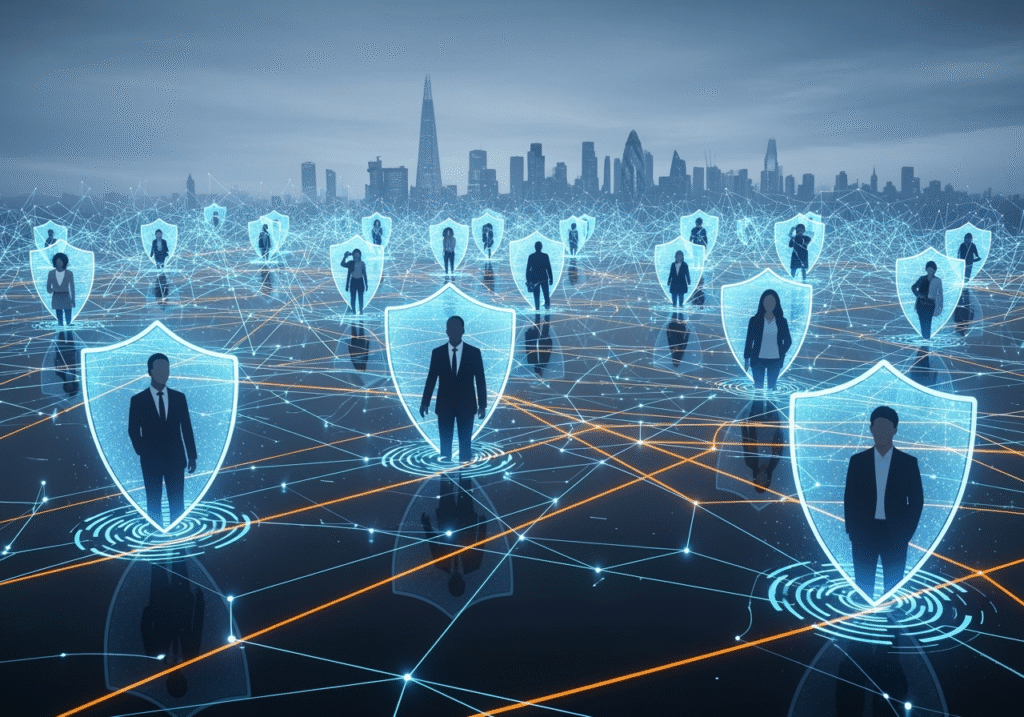
To secure their social media accounts, public figures and brand owners need a strong and evolving plan. We spoke with cybersecurity and marketing experts to compile the definitive steps you can take. Their collective insight reveals that modern security is about building layers of defense, from basic passwords to preparing for AI-powered threats.
What Are the Biggest Social Media Security Threats Public Figures Face Today?
The biggest social media security threats have evolved beyond simple hacking to include sophisticated identity theft. Inigo Rivero, Managing Director of House Of Marketers, points to “phishing, SIM swapping, and account hacking,” where attackers exploit weak recovery options. Once they have control, the damage can be swift and severe.
The landscape is now more dangerous with the rise of AI. Rafay Baloch, CEO and Founder of REDSECLABS, notes that these threats “erode trust quickly.” These tools can create convincing deepfake videos or clone a person’s voice, making it easy for attackers to deceive followers. Dmitriy Shelepin, Founder of Miroimind, describes this as a “direct assault on your identity,” capable of destroying credibility built over years.
How Can Public Figures Secure Their Social Media Proactively?
You can build a powerful defense to secure their social media accounts by adopting a layered security approach. André Disselkamp, Co-Founder & CEO of Insurancy, advises clients to “enable multi-factor authentication or passkeys, use a password manager for strong, unique credentials, and restrict admin access.”
1. Move Beyond Basic Two-Factor Authentication
Enforcing two-factor authentication (2FA) is essential, but the method is critical. Experts universally advise against using SMS-based codes. Luca Dal Zotto, Co-Founder of Rent a Mac, states that “Passkeys or hardware security keys… can close the majority of phishing attacks.”
2. Harden Your Personal Devices
The devices you use to access social media must be secure. Mike Aziz, co-owner, M1 Home Buyers, highlights the need for “updates on devices, encryption and restrictions to trusted networks.” Avoid using unsecured public WiFi without a VPN, as this is a common point of attack.
3. Audit and Clean Up Access
A frequently overlooked step is rigorously managing account access. Rafay Baloch points out that “one overlooked measure is auditing third-party app permissions.” Regularly audit and revoke permissions for old apps and games you no longer use.
How Does Monitoring for Impersonation Help Protect a Public Figure?
Monitoring for impersonation helps protect a public figure by enabling the early detection and removal of fake profiles. Inigo Rivero recommends “using tools like ZeroFOX, BrandShield, or Google Alerts” to flag them quickly. Early detection is critical to preventing lasting reputational harm.
Specialized tools can automate this process. Joosep Seitam, Co-founder of Socialplug, also suggests tools like “BrandBastion, ZeroFox, and social listening dashboards for immediate alerts, allowing teams to act before significant damage is done.”
How Should Public Figures Prepare and Respond If Their Account Gets Hacked?
If an account is compromised, the first 24 hours are critical. Dmitriy Shelepin stresses the need for a “concrete ‘break-glass’ plan… You cannot figure out your crisis response while the crisis is happening.” This plan should include pre-authorized contacts at the major social platforms.
The immediate response steps should be swift. Rafay Baloch outlines them as: “revoke access, notify followers transparently, and coordinate with the platform’s security team for recovery.” Inigo Rivero adds that “acting quickly in the first 24 hours… can limit the damage” to reputation and finances.
What Commonly Overlooked Security Practices Do You Recommend?
One of the most overlooked strategies is securing the “digital perimeter” around your identity. Andrew Reichek, CEO of Bode Builders, suggests, “Claim your name on smaller sites that you do not use,” to prevent squatters from taking them.
Another critical practice is the secure handling of backup data. Luca advises that “offline recovery codes must be stored in a secure location and not in cloud notes.” Mike also emphasizes “blocking access to accounts, reviewing previous applications and securing email accounts,” which are the keys to recovery.
How Is AI Increasing the Risk of Impersonation?
AI is increasing the risk of impersonation by making the creation of fraudulent content accessible and highly convincing. Inigo Rivero explains that “AI tools like deepfake videos or voice cloning make it easier for attackers to deceive people.” This technology makes it easier than ever to deceive the public.
How to Protect Yourself from AI-Driven Threats
To guard against AI-driven threats, a proactive and transparent approach is necessary. Rafay Baloch recommends that public figures “watermark official media, maintain verified accounts across platforms, and work with reputation management services to quickly debunk false content.”
Build a Relationship of Trust with Your Audience
The most potent defense is communication. Dmitriy Shelepin advises to “be radically transparent with your audience about how you DO and DO NOT communicate. Tell them explicitly, ‘If it’s not on this verified channel, it’s not me.'” Educating your audience builds a human firewall that even sophisticated AI struggles to breach.
Conclusion:
The collective insight from these experts is clear: securing a social media presence is a continuous process.
The advent of AI-powered threats means that trust is both the primary target and the best defense. By building a layered defense with advanced authentication, diligent monitoring, and a prepared response plan, public figures can create significant resilience. Investing in these comprehensive practices today is the most effective strategy to safeguard your reputation and maintain control over your digital identity.