
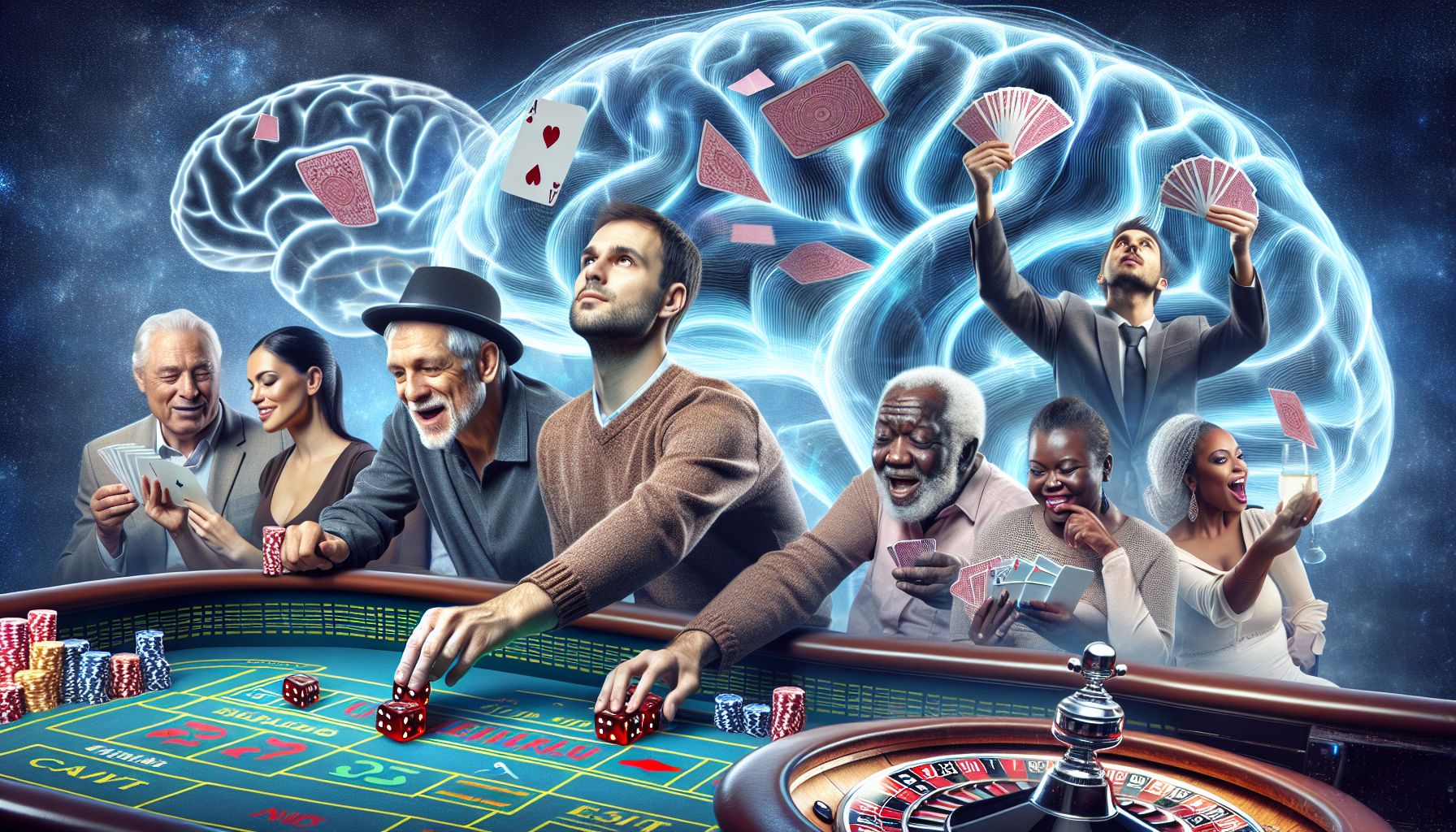
Across the world of slot gaming, few behaviors are as common — or as emotionally charged — as chasing jackpots. This habit, known as jackpot chasing or chasing wins, describes the moment when players continue spinning in pursuit of a massive payout, even when logic or bankroll limits suggest they should stop. It’s a pattern rooted in psychology, risk perception, and reward anticipation.
Understanding why jackpot chasing happens is crucial for anyone who wants to enjoy slot games without falling into high-risk habits. This article explores the emotional triggers behind chasing wins, how game design fuels the behavior, and what players can do to maintain control.
What Is Jackpot Chasing?
Jackpot chasing occurs when a player becomes fixated on hitting a large payout — a progressive jackpot, a high-multiplier bonus, or a rare feature. Instead of evaluating each spin independently, the player emotionally commits to the idea that the big one is coming soon.
Common signs of jackpot chasing:
- Increasing bet size after losses
- Ignoring stop-loss limits
- Continuing long after bankroll exhaustion
- Believing a machine is “due” for a win
- Feeling unable to stop until the jackpot appears
While the desire for a big win is natural, unchecked chasing can lead to uncontrolled spending and negative emotional cycles.
Why Players Feel Compelled to Chase Big Wins
1. The Allure of Life-Changing Rewards
Jackpots represent possibility — a single moment that can transform a player’s financial situation. Even if the odds are extremely low, the emotional value of the jackpot keeps players spinning.
2. The Near Miss Effect
Near misses, such as two jackpot symbols landing with the third just out of reach, trick the brain into perceiving progress. This illusion triggers dopamine activity, making players believe they’re “almost there,” even though outcomes are random.
3. Sunk Cost Fallacy
When players have invested time or money into a game, they often feel pressured to continue:
“I’ve spent this much already — I can’t stop now.”
This emotional trap shifts attention away from logical decision-making and toward chasing the perceived return on past spending.
4. Variable Reward Systems
Slot machines are designed to deliver unpredictable wins. This uncertainty makes the brain more excited and engaged, reinforcing the desire to keep spinning in pursuit of a big payout.
5. Social Proof and Big Win Stories
Players often hear about friends or public winners hitting massive jackpots. When platforms such as ยูฟ่าเบท747 showcase recent jackpot results, it reinforces the idea that “it could be me next,” amplifying the urge to chase wins.
How Game Design Encourages Jackpot Chasing
Modern slots incorporate mechanics that subtly encourage players to keep pursuing jackpots:
- Progressive meters filling slowly with each spin
- Escalating bonus levels that feel like achievements
- Visual and sound feedback that builds excitement
- Jackpot teasers showing symbols just outside the payline
These elements create a sense of momentum, even though every spin is governed entirely by RNG.
Emotional States That Lead to Chasing Behavior
Players typically chase jackpots when strong emotions take over:
• After multiple near misses
The illusion of getting “closer” fuels momentum.
• After hitting a medium win
Players feel empowered and more willing to push their luck.
• After experiencing losses
Chasing becomes an attempt to recover the session — a risky spiral.
• During excitement or frustration
High emotional states reduce rational decision-making, making chasing feel justified.
Understanding these triggers is the first step to managing them.
The Risks of Jackpot Chasing
Chasing behavior can lead to:
- Rapid bankroll depletion
- Overbetting during emotional moments
- Decision fatigue and frustration
- Loss of session control
- Reduced enjoyment of gameplay
On คาสิโนออนไลน์ ได้เงินจริงมือถือ platforms where sessions can run continuously without interruption, these risks can escalate quickly if not monitored.
How to Avoid Falling Into Jackpot Chasing
1. Set Objective Limits
Define stop-loss and stop-win thresholds before starting your session.
2. Use Spin Cycle Structure
Break your gameplay into fixed cycles (e.g., 100 spins), pause, and reassess before continuing.
3. Track Wins and Losses
A simple record can help you recognize when you’re entering emotional territory.
4. Reduce Bet Sizes Near Emotional Peaks
Lower bets help break the chase pattern and maintain control.
5. Recognize Jackpot Odds
Progressive jackpots often have extremely low probabilities. Knowing this helps reduce unrealistic expectations.
6. Celebrate Small Successes
Shift your focus from chasing one big win to enjoying consistent, smaller outcomes.
When Is Jackpot Chasing Acceptable?
Chasing isn’t always negative — if done consciously and within limits.
It’s acceptable when:
- You allocate a specific budget for jackpot-focused play
- You understand the odds and accept the risk
- You stop after reaching your pre-set limit
- You treat the chase as entertainment, not investment
The goal is to control the chase, not let it control you.
Final Thoughts
The drive to chase jackpots is deeply connected to human psychology — hope, excitement, and anticipation. Slot games amplify these emotions intentionally, using design mechanics that stimulate dopamine and create a compelling sense of closeness to big wins.
But chasing can be dangerous when it moves from excitement to compulsion. By understanding the psychological triggers and structuring sessions wisely, players can enjoy the thrill of jackpot play without falling into risky patterns.
In the world of slots, the jackpot will always be there — but your bankroll and clarity won’t, unless you protect them.